






Organizations are facing an increasing number of complex, sophisticated, and persistent cyber threats. To effectively combat these threats, traditional security measures are no longer sufficient. This is where Cyber Threat Intelligence (CTI) comes into play.
CTI is a proactive cybersecurity approach that helps organizations understand and anticipate the tactics, techniques, and procedures (TTPs) of adversaries. By converting raw threat data into actionable intelligence, CTI enables organizations to make more informed decisions, strengthen their defenses, and better respond to potential threats.
What Is Cyber Threat Intelligence (CTI)?
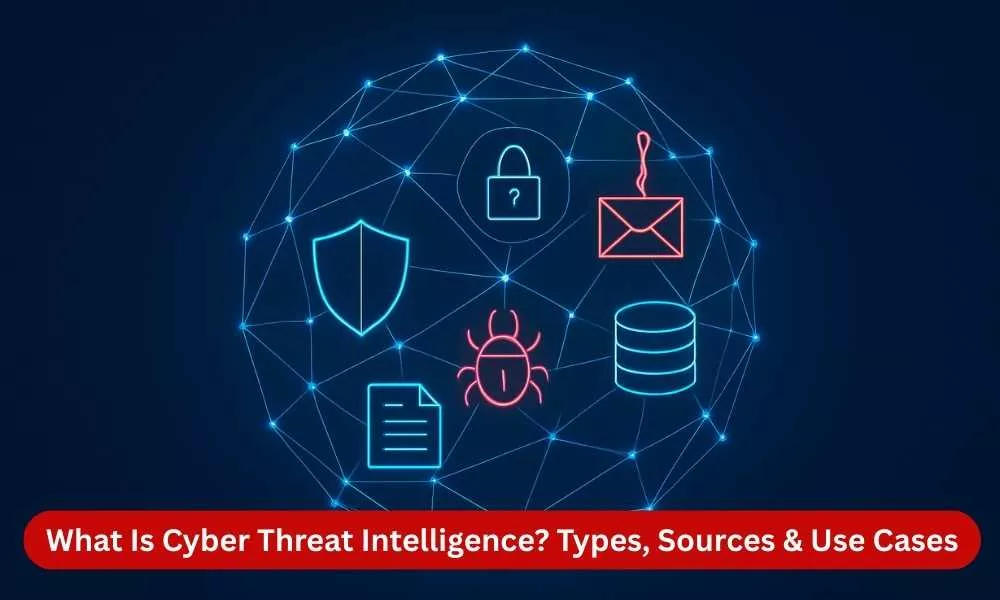
Cyber Threat Intelligence (CTI) refers to the process of gathering, analyzing, and interpreting data related to potential or existing cyber threats. It involves identifying the tools, tactics, and procedures used by attackers, understanding the motives behind these threats, and applying that knowledge to enhance security.
CTI converts raw threat data (such as attack patterns, vulnerabilities, and indicators of compromise) into actionable insights. These insights help security teams make better decisions regarding prevention, detection, and response. By leveraging CTI, organizations can proactively defend against threats, reduce risk, and strengthen their overall security posture.
Why Cyber Threat Intelligence Is Important
Cyber threats are becoming more sophisticated and diverse. Hackers are constantly evolving their tactics to bypass traditional defenses, making it harder for organizations to stay secure. CTI helps by providing:
- Proactive threat detection and prevention: By understanding the latest attack methods, CTI allows organizations to detect emerging threats early and block them before they cause damage.
- Improved response to incidents: When a security breach does occur, CTI provides context about the threat, helping teams respond more quickly and effectively.
- Informed decision-making: CTI enables business and security leaders to prioritize resources, make informed decisions, and allocate efforts toward the most critical threats.
- Enhanced risk management: By analyzing cyber threats in real-time, CTI helps organizations assess and mitigate potential risks before they impact the business.
By integrating CTI into a comprehensive security strategy, businesses can significantly improve their detection, prevention, and response capabilities.
Types of Cyber Threat Intelligence
Cyber Threat Intelligence can be divided into four primary types, each serving a specific purpose for different stakeholders within an organization.
1. Strategic Threat Intelligence
- Purpose: Strategic CTI provides high-level, long-term insights into the threat landscape. It is typically used by executives, CISOs, and risk management teams to guide security strategies and policy.
- Who uses it: Executives, C-level leaders, and decision-makers.
- What it covers: Industry trends, threat of actor motivations, geopolitical factors, and high-level risk assessments.
2. Tactical Threat Intelligence
- Purpose: Tactical CTI focuses on the immediate tactics, techniques, and procedures (TTPs) used by attackers. It helps security teams improve their defenses by understanding how threats are executed in the short term.
- Who uses it: Security analysts and incident response teams.
- What it covers: Specific attack methods, malware, phishing campaigns, and known vulnerabilities exploited by attackers.
3. Operational Threat Intelligence
- Purpose: Operational CTI bridges the gap between strategic and tactical intelligence. It provides actionable information about active or emerging threats, helping organizations respond to specific threats in real-time.
- Who uses it: Incident response teams, SOC (Security Operations Center) teams, and threat hunters.
- What it covers: Ongoing attacks, threat actors’ movements, and emerging vulnerabilities in real-time.
4. Technical Threat Intelligence
- Purpose: Technical CTI focuses on specific technical indicators that can be used for detection and defense. This includes things like IP addresses, file hashes, domain names, and other technical data that can be used to identify malicious activity.
- Who uses it: Security teams responsible for threat detection and network defense.
- What it covers: Indicators of compromise (IoCs), exploits, malware samples, and network signatures.
Sources of Cyber Threat Intelligence
CTI is gathered from a variety of sources to provide a comprehensive view of the threat landscape:
1. Open-Source Intelligence (OSINT)
- Data from publicly available sources such as websites, blogs, social media, and forums.
- Help identify emerging threats, vulnerabilities, and trends.
2. Commercial Intelligence Feeds
- Paid feeds from vendors that offer high-quality, curated threat data.
- Provides updated information on known threats, IoCs, and zero-day vulnerabilities.
3. Industry Sharing Groups & ISACs (Information Sharing and Analysis Centers)
- Collaborative groups where organizations share threat intelligence to improve overall security.
- Helps create industry-specific threat intelligence for sectors like finance, healthcare, and critical infrastructure.
4. Dark Web Monitoring
- Intelligence gathered from the dark web, where threat actors discuss attacks, sell exploits, and share malware.
- Provides insight into emerging threats and attacks targeting specific organizations or industries.
5. Internal Security Data and Historical Incidents
- Data from within an organization, including historical incident logs, internal investigations, and security alerts.
- Helps identify recurring threats and improve future defenses.
6. Government or Regulatory Advisories
- Information shared by government bodies and regulatory agencies regarding new vulnerabilities, exploits, or threat actor activities.
- Help organizations stay compliant with regulations and prepare for government-mandated security standards.
Key Use Cases of Cyber Threat Intelligence (CTI)
Cyber Threat Intelligence helps organizations understand threats better and take smarter action. Here are some common ways in which it is used:
1. Threat Detection and Monitoring
CTI helps security teams spot threats earlier. By knowing the latest attack methods and common vulnerabilities, teams can recognize suspicious activity more quickly.
2. Threat Hunting
Instead of waiting for alerts, security teams actively search for hidden threats inside the network. CTI gives them clues about what to look for and where attackers might be hiding.
3. Incident Response
When a security incident happens, CTI helps teams understand who might be behind the attack, how it was carried out, and what steps to take next. This makes response faster and more effective.
4. Vulnerability Prioritization
Organizations often have hundreds of vulnerabilities. CTI helps determine which ones are most likely to be exploited, so teams can fix the most important issues first.
5. Risk Assessment and Executive Decision-Making
CTI also supports leadership. It helps managers and executives understand current threats, assess business risk, and decide where to invest time and resources in security.
CTI vs Traditional Security Data
Traditional security data, such as logs, alerts, and raw telemetry, provides a reactive view of security events. It tells organizations what has already happened, but often lacks the context needed to determine why it matters.
Cyber Threat Intelligence (CTI), on the other hand, transforms raw data into actionable insight. It adds context by identifying the threat actor, intent, tactics, and potential impact behind an event. It creates relevance by aligning threats with an organization’s industry, technology stack, and risk profile. Most importantly, it enables prioritization by assessing likelihood and business impact, rather than treating every alert with equal urgency.
While traditional security data supports detection, CTI empowers proactive, risk-informed decision-making.
Conclusion
Cyber Threat Intelligence (CTI) is no longer optional; it is a strategic requirement for modern organizations. As cyber threats grow more sophisticated, CTI enables a shift from reactive defense to proactive risk management, strengthening detection, prevention, and response capabilities. By leveraging CTI, organizations gain greater visibility, reduce exposure, and enhance their overall security posture.
Move from alerts to insight.
| See how Ampcus Cyber helps organizations apply Cyber Threat Intelligence effectively. |
Enjoyed reading this blog? Stay updated with our latest exclusive content by following us on Twitter and LinkedIn.