







Healthcare data carries a different kind of weight, deeply tied to identity, history, and care decisions. As healthcare systems become increasingly digital, one question quietly becomes critical: What exactly counts as ePHI and how do you handle it without getting it wrong?
This guide breaks it down in a clear, practical way so you can not only understand ePHI, but confidently apply it in real-world scenarios.
What Is ePHI?
Electronic Protected Health Information (ePHI) refers to any health-related data that can identify an individual and is created, stored, or transmitted in digital form. Under the Health Insurance Portability and Accountability Act (HIPAA), this includes information tied to a person’s health condition, treatment, or payment history.
In simple terms: if it’s digital, health-related, and linked to a person. it’s ePHI.
When Does Information Become ePHI?
This is where most confusion and most compliance mistakes happen. For data to qualify as ePHI, three conditions must be met: First it relates to health, treatment, or payment, second, it exists in electronic form, and third, it can identify an individual. The third point identifiability is the most critical.
What Makes Data “Individually Identifiable”?
HIPAA defines 18 identifiers that make data identifiable. If any of these are present alongside health information, the data is considered ePHI.
Here’s a simplified view:
| Category | Examples |
| Personal identifiers | Name, phone number, email address |
| Location data | Address, ZIP code (smaller than state level) |
| Dates | Birth date, admission/discharge dates |
| Unique numbers | SSN, medical record number, account number |
| Digital identifiers | IP address, device IDs, URLs |
| Sensitive identifiers | Biometric data, facial images |
| Professional identifiers | License or certification numbers (e.g., medical license) |
Even seemingly minimal data, like a ZIP code combined with a diagnosis, can qualify depending on context. This is exactly where many organizations misclassify data.
Why Is ePHI Important?
Healthcare data has been one of the most consistently targeted categories for over a decade. Unlike passwords or credit cards, health data cannot be easily changed, it has long-term value, and it can be used for fraud, identity theft, or manipulation.
A breach isn’t just a compliance issue, it can affect patient care, delay treatment, and erode trust.
Who Is Responsible for Protecting ePHI?
Responsibility doesn’t sit with just one type of organization. HIPAA defines two key roles:
- Covered Entities including a health care provider, a health plan, and a health care clearinghouse.
- Business Associates: A person or entity that performs certain functions or activities that involve the use or disclosure of protected health information on behalf of, or provides services to, a covered entity.
Business Associates must also sign a Business Associate Agreement (BAA), which clearly defines how ePHI is handled, secured, and reported in case of a breach. If your systems touch ePHI in any way, accountability applies.
Where Does ePHI Exist Today?
ePHI no longer lives in one system, it moves across an ecosystem. You’ll typically find it across the following:
- EHR/EMR platforms
- Cloud applications and SaaS tools
- Email and communication systems
- Mobile devices and endpoints
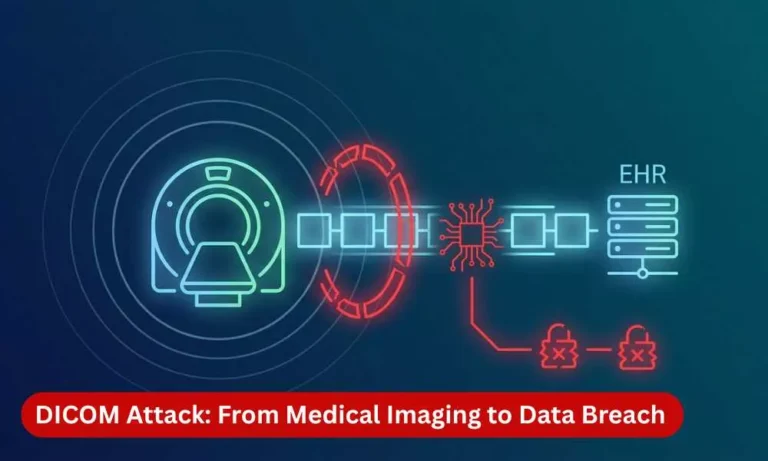
- Connected medical devices (IoMT)
Why IoMT Devices Are a Growing Risk
Many medical devices were not designed with modern security in mind. They often run outdated software, lack proper encryption, and operate on flat networks. That combination makes them an easy entry point into healthcare environments.
How Is ePHI Protected?
HIPAA outlines three safeguard categories, but understanding why they exist makes them far more useful than just memorizing them.
| Safeguard Type | What It Covers | Why It Matters |
| Administrative | Policies, training, risk assessments | Most breaches start with human error or poor processes |
| Physical | Facility access, device security | Lost or stolen devices still cause real breaches |
| Technical | Encryption, access controls, monitoring | Protects data and detects misuse, especially insider threats |
Audit logs are critical. In many cases, they are the only way to detect unauthorized access to patient records.
What Happens If ePHI Is Breached?
This is governed by the HIPAA Breach Notification Rule. Organizations are required to notify affected individuals within 60 days, report the breach to HHS[YR1.1], and notify the media if more than 500 individuals are impacted. This is where many organizations struggle, not because they lack controls, but because they lack visibility and response readiness.
How Can Data Stop Being ePHI?
Not all health data remains regulated forever. HIPAA allows data to be de-identified, meaning it is no longer considered ePHI. There are two approaches:
- Safe Harbor: removing all 18 identifiers
- Expert Determination: a qualified expert confirms low re-identification risk by applying statistical or scientific principles.
This is especially important for research, analytics, and data-sharing use cases.
What Are the Biggest Risks to ePHI?
The risks themselves are not new, but their impact in healthcare is amplified.
- Ransomware continues to target healthcare due to operational urgency
- Phishing remains the most common entry point
- Insider threats are more frequent than many expect
- Cloud misconfigurations expose large datasets
- IoMT devices expand the attack surface
The underlying issue is consistent, as most organizations don’t lack controls, they lack complete visibility.
Final Thoughts
ePHI is more than a compliance category. It represents trust, responsibility, and the integrity of healthcare systems. As digital adoption accelerates, the challenge isn’t just protecting data, it’s understanding it well enough to protect it consistently.
If you don’t have full visibility into your ePHI environment, you’re operating with hidden risk. Connect with a security expert at Ampcus Cyber to assess your current posture, identify gaps, and build a compliant, audit-ready ePHI protection strategy.
| Strengthen Your ePHI Security Posture with Ampcus Cyber! Give us a call today! |
Enjoyed reading this blog? Stay updated with our latest exclusive content by following us on Twitter and LinkedIn.