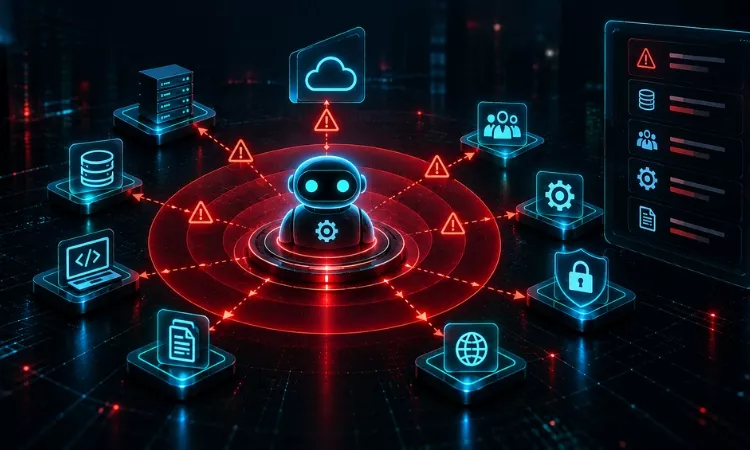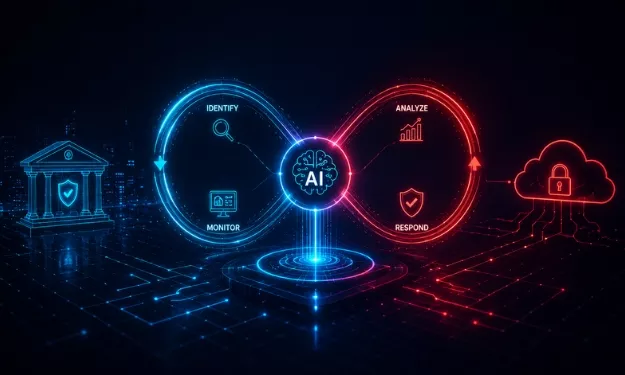





This infographic explores the key differences between traditional red teaming and AI-assisted security testing, highlighting how modern VAPT is evolving from periodic, manual vulnerability assessment toward continuous, adaptive, and exposure-focused validation.
Traditional red teaming is typically human-led, periodic, manual, predefined, and engagement-based, relying heavily on expert-driven attack simulation and point-in-time validation. AI red teaming introduces AI-assisted attack simulation, continuous testing, adaptive scenarios, intelligent attack-path analysis, greater scalability, faster iteration, and repeatable validation.
The key shift is from simply finding vulnerabilities to validating what attackers can exploit. This approach helps security teams move beyond vulnerability lists and gain a clearer understanding of real-world exposure, attack paths, and exploitable security weaknesses.
The infographic also highlights the role of AI-powered VAPT in modern security testing, where AI and human expertise can work together to support continuous security validation. By combining automated attack simulation, intelligent correlation, adaptive testing, and repeatable validation, organizations can strengthen their approach to vulnerability management, penetration testing, exposure validation, and cybersecurity risk assessment.
Explore how AI-powered security testing can help organizations move toward a more scalable, repeatable, and continuous approach to VAPT.
Enjoyed reading this infographics? Stay updated with our latest exclusive content by following us on Twitter and LinkedIn.