









Modern security teams face an overwhelming number of alerts every day. As organizations adopt more digital systems, cloud services, and remote infrastructure, the volume and complexity of cyber threats continue to grow.
Manually investigating and responding to every alert is no longer sustainable.
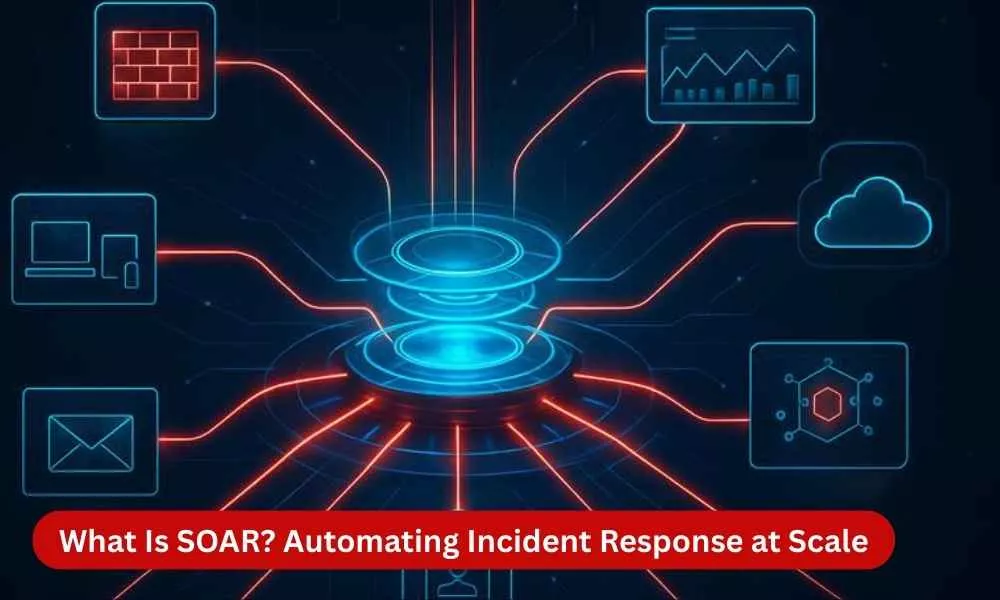
Security Orchestration, Automation, and Response (SOAR) platforms help address this challenge by streamlining workflows, automating repetitive tasks, and enabling security teams to respond to incidents faster and more consistently.
Understanding SOAR is essential for organizations seeking to scale their security operations effectively.
What Is SOAR?
SOAR stands for Security Orchestration, Automation, and Response. It refers to a category of cybersecurity solutions designed to centralize alert management, automate security workflows, and coordinate incident response activities across multiple tools.
A SOAR platform integrates with existing security technologies and enables organizations to:
- Aggregate alerts from multiple sources
- Automate investigative steps
- Execute predefined response actions
- Track and document incidents
Rather than replacing analysts, SOAR enhances their productivity by reducing manual effort and improving operational consistency.
The Three Core Components of SOAR
1. Security Orchestration
Orchestration connects multiple security tools and systems, allowing them to work together in coordinated workflows.
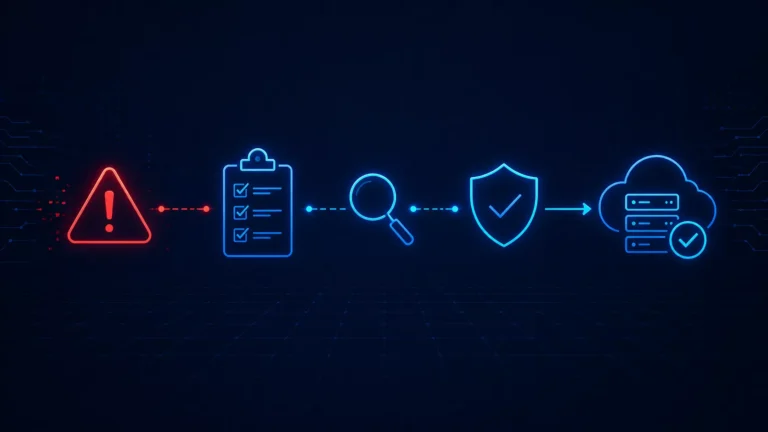
For example, when an alert is generated by a SIEM system, SOAR can automatically gather additional context from endpoint tools, threat intelligence feeds, and identity management systems.
This integration reduces the need for analysts to switch between multiple platforms.
2. Security Automation
Automation focuses on handling repetitive, rule-based tasks without human intervention.
Common automated actions include:
- Enriching alerts with contextual data
- Blocking malicious IP addresses
- Isolating compromised endpoints
- Disabling suspicious user accounts
- Creating tickets in case management systems
Automation improves response speed and reduces the risk of human error.
3. Incident Response Management
SOAR platforms provide structured workflows, often referred to as playbooks, that guide analysts through incident handling procedures.
These workflows ensure that investigations follow standardized steps, supporting consistency and thorough documentation.
What Are Playbooks in SOAR?
Playbooks are predefined sets of actions designed to respond to specific types of security incidents.
For example, a phishing playbook may include:
- Analyzing email headers
- Checking sender reputation
- Scanning attachments
- Identifying affected users
- Removing malicious emails from inboxes
- Resetting compromised credentials
By formalizing response procedures, playbooks help ensure repeatable and reliable outcomes.
Why Organizations Use SOAR
Security teams adopt SOAR platforms to address common operational challenges.
- Alert Overload: Security tools generate large volumes of alerts. SOAR helps prioritize and filter alerts to reduce noise.
- Manual Processes: Routine tasks consume valuable analyst time. Automation frees analysts to focus on complex investigations.
- Inconsistent Response: Without standardized workflows, responses may vary. SOAR enforces structured procedures.
- Limited Scalability: As organizations grow, alert volumes increase. SOAR enables teams to handle higher workloads without proportional staffing increases.
SOAR vs SIEM: Understanding the Difference
SOAR and SIEM are often used together but serve different functions.
| SIEM | SOAR |
| Collects and analyzes security logs | Automates response workflows |
| Generates alerts | Reduces alert fatigue |
| Detects suspicious activity | Executes response actions |
A SIEM system identifies potential threats, while SOAR helps investigate and respond to them efficiently.
Key Benefits of SOAR
Organizations implementing SOAR often experience:
- Reduced mean time to respond (MTTR)
- Improved investigation efficiency
- Greater operational consistency
- Enhanced visibility into incident workflows
- Better documentation for audits and reviews
These benefits contribute to more mature and scalable security operations.
Challenges in SOAR Implementation
Although SOAR offers operational advantages, implementation may involve challenges such as:
Integration Complexity
Connecting multiple security tools requires configuration and testing.
Playbook Design
Effective automation depends on well-designed workflows.
Over-Automation Risks
Improper automation can unintentionally disrupt legitimate business processes.
Resource Requirements
Successful deployment requires trained personnel and ongoing optimization.
Organizations typically adopt SOAR gradually, starting with high-volume, low-risk use cases.
When Should Organizations Consider SOAR?
SOAR is particularly valuable for organizations that:
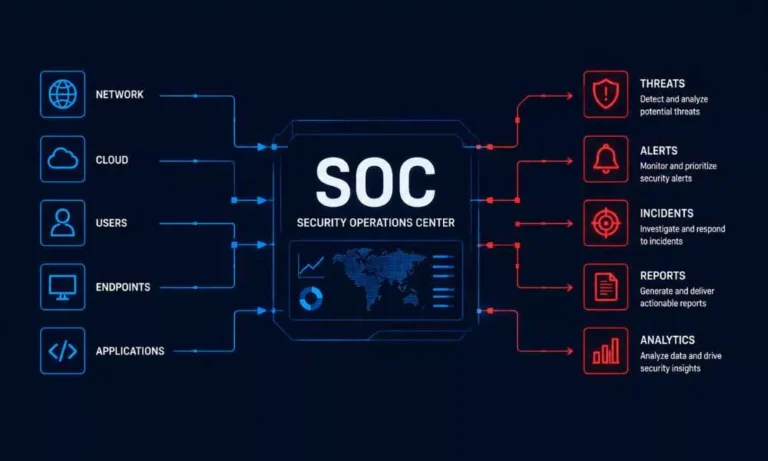
- Operate a Security Operations Center (SOC)
- Manage high alert volumes
- Use multiple security tools
- Require consistent incident documentation
- Seek to improve response times
It supports both mid-sized organizations scaling their security teams and large enterprises managing distributed environments.
The Role of SOAR in Modern Security Operations
As cyber threats evolve, incident response must become faster, more coordinated, and more consistent.
SOAR enables organizations to:
- Automate repetitive security tasks
- Coordinate actions across tools
- Reduce investigation time
- Standardize incident response procedures
By combining orchestration, automation, and response management, SOAR helps transform incident handling into a scalable and structured operational capability.
Conclusion
Security Orchestration, Automation, and Response (SOAR) platforms help organizations streamline incident response through automation and integration.
By reducing manual workloads and enforcing standardized workflows, SOAR enhances the efficiency and scalability of modern security operations.
Understanding how SOAR works allows organizations to evaluate whether automation can strengthen their cybersecurity posture and improve overall incident management processes.
Enjoyed reading this blog? Stay updated with our latest exclusive content by following us on Twitter and LinkedIn.